
Ytalex Quantantos logo
Ytalex Quantantos
Business Communication Workshops
Student Projects

Work done by real participants

Each project here was built during a live workshop session. Browse what participants produced, see the scope of each assignment, and decide which format fits where you are right now.

Projects & works

Three distinct assignments, three different communication challenges. Each one was completed under real workshop conditions.

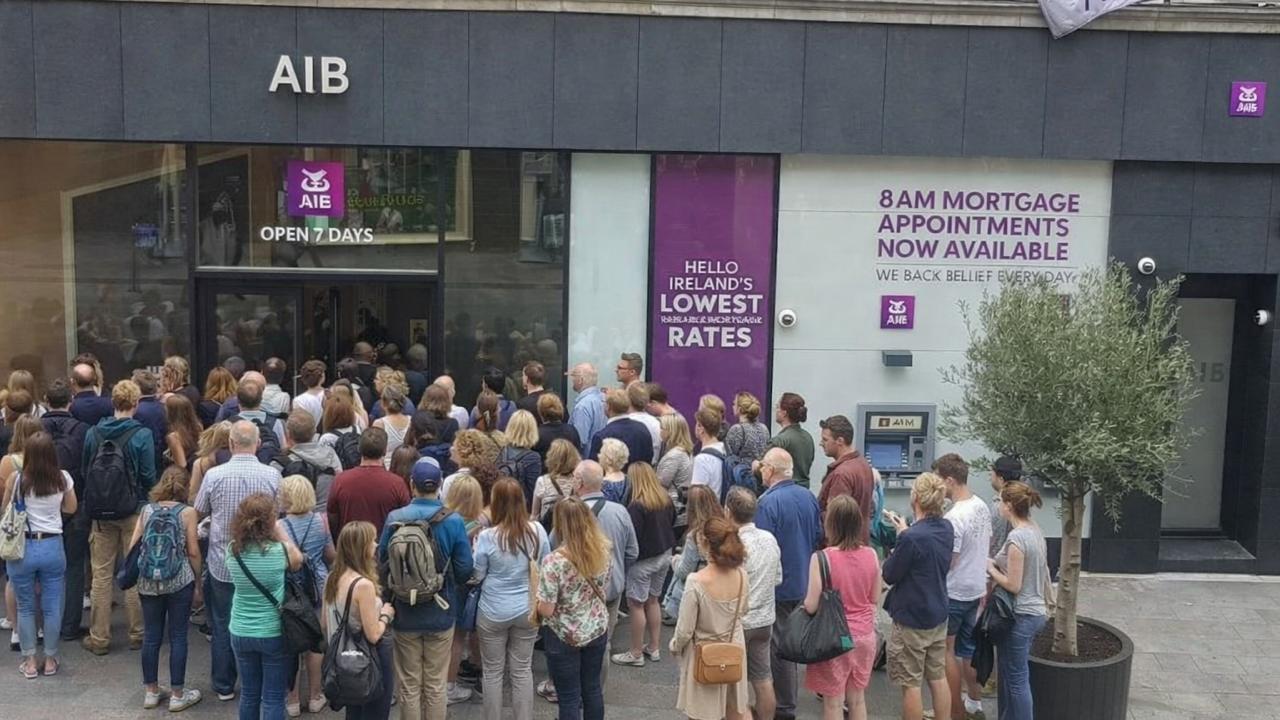
Long Queues at Bank Branches: An Irish Case Study
Undergraduate and postgraduate students in economics, public policy, or sociology 18 minutes 567

Long Queues at Bank Branches: An Irish Case Study

An analytical look at why Irish bank customers have been queuing since early morning, what drives this behaviour, and what it reveals about financial infrastructure in Ireland.

€45 One-time access fee. Includes case study text, supplementary data tables, and seminar discussion prompts.
View project

Language Patterns in Business Negotiation
intermediate 25 min 425

Language Patterns in Business Negotiation

A research-based student project examining how specific word choices influence negotiation outcomes in B2B contexts.

0 EUR Free academic project, available in full without login
View project
What Feedback on Business Presentations Actually Says
intermediate 22 min 220

What Feedback on Business Presentations Actually Says

A student project analysing 30 sets of peer feedback on business presentations to find recurring patterns in how people describe communication problems.

0 EUR Freely available student research, no account needed to read
View project

What makes project work different

Most communication training stops at theory. These projects required participants to write, present, and defend actual business scenarios - not hypothetical ones.

Each submission went through a structured peer review before it was accepted. That process alone taught participants more than any lecture could.

01

Assigned under time pressure

Participants had limited hours to produce each piece. That constraint forced clearer thinking and tighter writing.

02

Reviewed by peers, not just instructors

Feedback came from other participants first. Learning to receive and apply critique is part of the skill being built.

03

Grounded in real business contexts

Scenarios were drawn from actual workplace situations - proposals, negotiations, internal reports - not classroom exercises.

Workshop environment

Sessions run online, not on a schedule

Participants from Co. Monaghan and beyond joined from wherever they were. No travel, no fixed classroom - just focused work on communication problems that matter at the desk.

The asynchronous format meant participants could revisit recordings, refine drafts overnight, and submit work when it was genuinely ready rather than just on time.

Workshop participant working on a business communication assignment

Typical workshop schedule

Four sessions build on each other. Each one covers a distinct communication skill with a project assignment attached.

Session 1
Written proposals

Structuring a business case that gets read past the first paragraph.

Session 2
Negotiation scripts

Preparing for difficult conversations before they happen, not during.

Session 3
Internal reports

Writing for colleagues who are too busy to read everything you wrote.

Session 4
Presentation delivery

Recorded delivery with structured feedback from the group.

Participant reviewing business communication project feedback
How to use these projects

Three ways to read what others built

  1. 1 Read the brief first, then the submission. Notice what the participant chose to include and what they left out - that gap is where most communication problems live.
  2. 2 Compare two projects on the same topic. Different participants made different structural choices. Neither is wrong, but one usually reads more clearly.
  3. 3 Try the assignment yourself before reading the example. You'll spot things you wouldn't have noticed otherwise.